- (667) 218-4682
- 100 Holliday St, Baltimore, MD, Baltimore, MD 21202
Baltimore’s humid summers and heavy clay soils create a challenging environment for mature oaks, maples, and ashes. When a prized tree on your property starts showing yellowing leaves, sparse canopy growth, or early leaf drop, it is easy to assume it is just thirsty. Often, the real culprit is a hidden vascular disease or a soil-borne pathogen like root rot quietly choking the tree’s water supply. Catching these signs early is the difference between saving a landmark feature of your landscape and paying for an expensive, heartbreaking removal.
Our region faces intense pressure from invasive pests and destructive fungi. From the emerald ash borer decimating local ash trees to the rapid spread of the spotted lanternfly, your trees face constant threats. You might notice crown dieback, deep cracks weeping fluid from a fungal canker, or the telltale signs of anthracnose on sycamores after a wet spring. Rather than guessing with store-bought sprays that rarely reach the source of the infection, our experienced technicians run thorough diagnostic tests to identify the exact pathogen or insect at work.
We focus on targeted, low-impact therapies that work from the inside out. For vascular issues like bacterial leaf scorch, we use direct tree injection methods to deliver a systemic fungicide or antibiotic straight into the sapwood. This avoids chemical drift in your yard while ensuring the tree absorbs the treatment immediately. When soil compaction or nutrient deficiencies are the root cause, we apply a custom soil pH amendment and deep root fertilization to rebuild the tree’s natural defense systems.
You do not have to watch your landscape decline. Every diagnostic visit by an ISA certified arborist from Chesapeake Tree Pro is designed to give you a clear, honest assessment of whether your tree can be saved. If a tree is too far gone, we will tell you plainly, but our first goal is always preservation through science-backed care.
Homeowners in Baltimore’s historic neighborhoods often watch their mature oaks and maples slowly decline, assuming it is just a bad season. But ignoring early warning signs like crown dieback or leaf spotting usually leads to a much larger bill down the road. When you bring in experienced technicians to run a diagnostic check, you are choosing to preserve your property’s shade and value rather than waiting for a tree to become so hazardous that removal is the only option.
Our approach targets the specific pathogens and pests threatening Maryland landscapes, from the destructive emerald ash borer to stubborn cases of anthracnose. By using targeted tree injection methods and adjusting the surrounding soil chemistry, we stop vascular disease in its tracks without spraying chemicals all over your lawn. It is a precise, scientific way to restore the natural vigor of your yard’s most valuable assets before root rot or fungal canker does permanent damage.
You also avoid the sudden, heavy expense of crane-assisted removals and stump grinding. A proactive deep root fertilization or a timely systemic fungicide treatment keeps the tree’s vascular system flowing smoothly. This active care ensures your oaks, elms, and ashes continue to shade your home, lower your summer cooling costs, and keep your local Baltimore neighborhood looking beautiful and established.
PREVENT CATASTROPHE — Catching fungal canker or spotted lanternfly early prevents weak limbs from snapping over your roof during summer storms.
AVOID REMOVAL COSTS — Systemic fungicide and macro-infusion treatment cost a fraction of what you would pay for large-scale tree removal.
RESTORE VIGOR — Targeted deep root fertilization and soil pH amendment revive yellowing leaves and reverse crown dieback.
STOP SPREAD — Treating highly contagious conditions like bacterial leaf scorch protects the other mature trees on your property.
LOCAL COMPLIANCE — Our certified team ensures all treatments align with Baltimore's strict urban canopy preservation ordinances.
Distinguishing between environmental stress and a serious vascular disease can be tricky for homeowners. Drought stress usually causes uniform leaf wilt or yellowing across the entire canopy. However, if you notice localized crown dieback, strange spots like anthracnose on emerging leaves, or weeping fungal canker wounds on the trunk, you are likely dealing with a pathogen. Our experienced technicians at Chesapeake Tree Pro perform thorough diagnostic assessments to determine the exact cause. When you invest in professional Tree Health & Disease Treatment in Baltimore, we look at soil compaction and root health before prescribing any chemical applications. Catching these signs early prevents the need for costly removals later.
Emerald ash borer is a devastating pest across Maryland, leaving distinct D-shaped exit holes in the bark and causing rapid canopy thinning from the top down. If your ash tree has lost more than half of its leaves, it might be too late. However, if the canopy is mostly intact, we can save it using a targeted tree injection of systemic insecticide. This direct trunk treatment is highly effective and avoids spraying chemicals into the air. For reliable Tree Health & Disease Treatment in Baltimore, we recommend treating healthy or mildly affected ash trees every two years. You can check the current quarantine and pest alert guidelines on the Maryland Department of Agriculture website to see how active this pest is in your specific neighborhood.
Yes, many tree pathogens are highly contagious and spread easily through wind, rain, pruning tools, or root grafting. For instance, spores from anthracnose or fungal canker can blow onto adjacent trees during wet spring weather, while pests like the spotted lanternfly crawl between properties. If a tree on your property suffers from a contagious vascular disease, leaving it untreated puts your entire landscape at risk. Securing timely Tree Health & Disease Treatment in Baltimore is the best way to create a protective barrier. We often use a systemic fungicide or targeted soil treatments to immunize neighboring trees before the infection can migrate across property lines.
The cost of Tree Health & Disease Treatment in Baltimore depends heavily on the tree’s size, the diagnosis, and the treatment method. For example, a single tree injection or macro-infusion treatment for a mature oak might run a few hundred dollars, whereas deep root fertilization and soil pH amendment to fix root rot could cost less. While this requires an upfront investment, it is significantly cheaper than paying thousands of dollars for large tree removal and stump grinding. Plus, keeping a mature, historic tree alive preserves your property value and shade. Our ISA certified arborist will always provide an honest breakdown of treatment costs versus removal costs so you can make an informed choice.
Timing is everything when dealing with biological threats. Spring is the optimal window for addressing foliar fungal issues like anthracnose and applying systemic fungicide treatments as new leaves emerge. If we are treating for emerald ash borer, late spring to early summer is best because the tree’s vascular system is actively moving water and nutrients upward. For trees struggling with poor soil or root rot, we focus on deep root fertilization and soil pH amendment during the late summer or autumn. This timing helps the root system recover before winter dormancy. Our customized plans for Tree Health & Disease Treatment in Baltimore ensure we apply each therapy at the exact moment it will do the most good.
If you have noticed yellowing leaves, crown dieback, or strange exit holes in your canopy, do not wait until the damage is irreversible. Many homeowners assume a struggling tree is just thirsty, but active pests like the emerald ash borer or fungal infections can destroy a mature tree’s vascular system in a single season. Our experienced technicians can run a full diagnostic assessment to see if a targeted tree injection or deep root fertilization can save your yard’s focal point.
We do not push for expensive removals when a tree can be cured. Let us help you protect your property value and preserve the historic shade trees that make Baltimore neighborhoods so beautiful.
Many local landscaping outfits claim they can treat a sick oak or maple, but diagnosing complex vascular diseases or soil-borne pathogens requires specialized training. At Chesapeake Tree Pro, we do not guess. We do not just look at yellowing leaves and recommend a costly removal to make a quick buck. Instead, our team of highly trained professionals focuses on preservation first, using targeted diagnostic methods to identify the exact root cause of your tree’s decline.
As a locally owned company, we understand the specific environmental pressures facing Baltimore’s urban canopy, from clay-heavy soils that trap moisture to regional threats like the emerald ash borer and spotted lanternfly. We hold the proper Maryland Department of Agriculture pesticide applicator licenses required for restricted-use treatments, ensuring every micro-infusion or systemic fungicide application is performed safely and legally. When you partner with Chesapeake Tree Pro, you work directly with local professionals who live in the community and care about preserving its mature trees.
We believe in complete transparency from our first diagnostic visit. You will receive a clear, straightforward treatment plan with upfront pricing, rather than unexpected fees or endless recurring visits that yield no results. We use precise trunk injections and soil amendments designed to help your trees recover naturally, giving you a reliable alternative to national chains that rely on generic, blanket spray programs.
Baltimore’s humid summers and clay-heavy soils create a breeding ground for aggressive pathogens. If you ignore early signs like yellowing leaves or a thinning canopy, a minor fungal infection can quickly turn into a fatal vascular disease. Many homeowners wait too long, thinking a tree is just thirsty, only to find out that a fungal canker or anthracnose has already choked off the tree’s water supply. By the time crown dieback sets in, saving the tree becomes a massive uphill battle.
Pests like the emerald ash borer and the newly arrived spotted lanternfly don’t respect property lines. If you leave an infected ash tree untreated, it becomes a breeding ground that threatens every other ash tree in your neighborhood. Our experienced technicians use targeted tree injection methods to deliver systemic fungicide and insecticides directly into the tree’s sapwood. This method is far safer for your family and pets than broad spraying, and it ensures the treatment actually reaches the vascular system where it is needed most.
Mature oaks and maples define the character of older Baltimore neighborhoods, providing shade and boosting property values. Replacing a century-old tree is impossible, and removing a dead one is incredibly expensive. Investing in proactive care, such as deep root fertilization or a soil pH amendment, helps stressed trees build the natural defenses they need to fight off bacterial leaf scorch and destructive root rot. Taking action early keeps your yard safe and saves you thousands of dollars in emergency removal costs down the road.
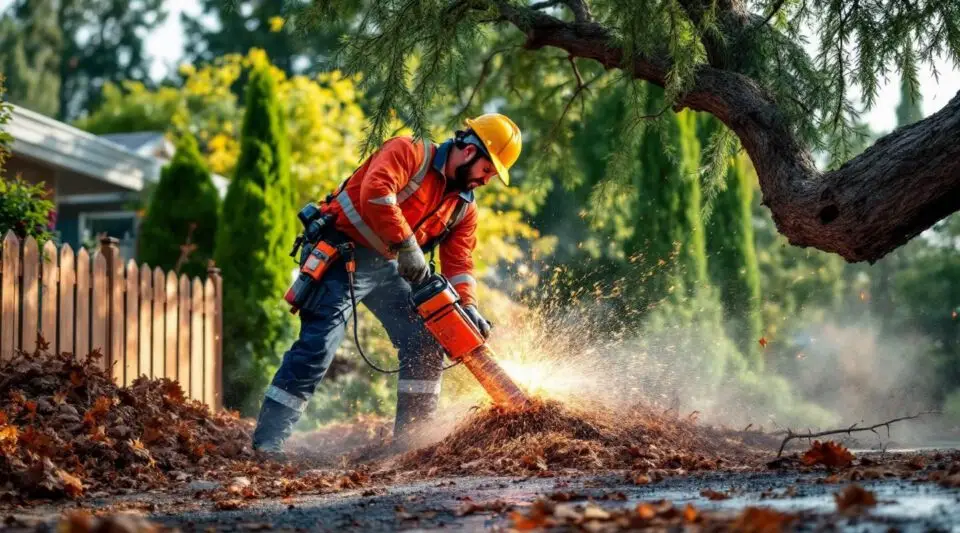
A sudden summer thunderstorm or a heavy winter ice storm can turn a mature silver maple or oak with co-dominant stems into an active hazard.
Learn more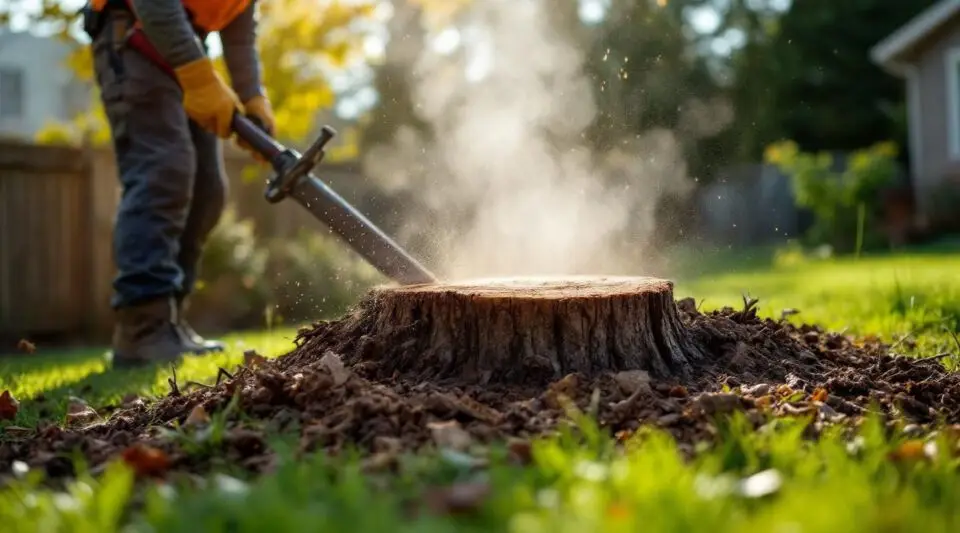
Leaving a massive tree stump in your yard after a removal is like leaving a construction project half-finished.
Learn more
In older Baltimore neighborhoods like Roland Park and Catonsville, mature white oaks, red maples, and tulip poplars form a stunning, historic canopy.
Learn more
Overgrown land can quickly halt your building plans or drag down your property value.
Learn more
When a mature Douglas fir or western red cedar on your property starts showing signs of distress, guessing at the solution is never a safe option.
Learn more
Living in the Baltimore area means enjoying a beautiful canopy of mature white oaks, tulip poplars, and silver maples.
Learn more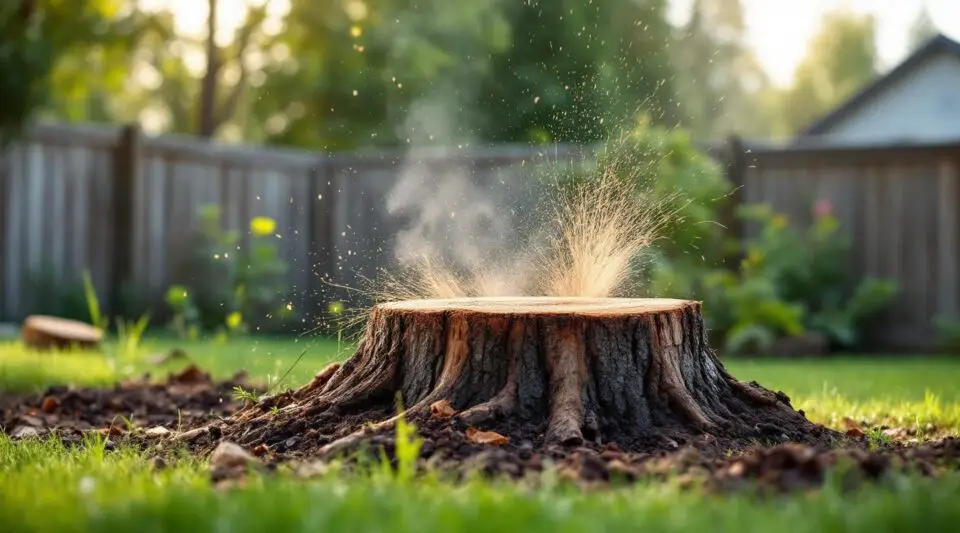
Leaving a tree stump behind after a removal is like leaving a construction project half-finished.
Learn more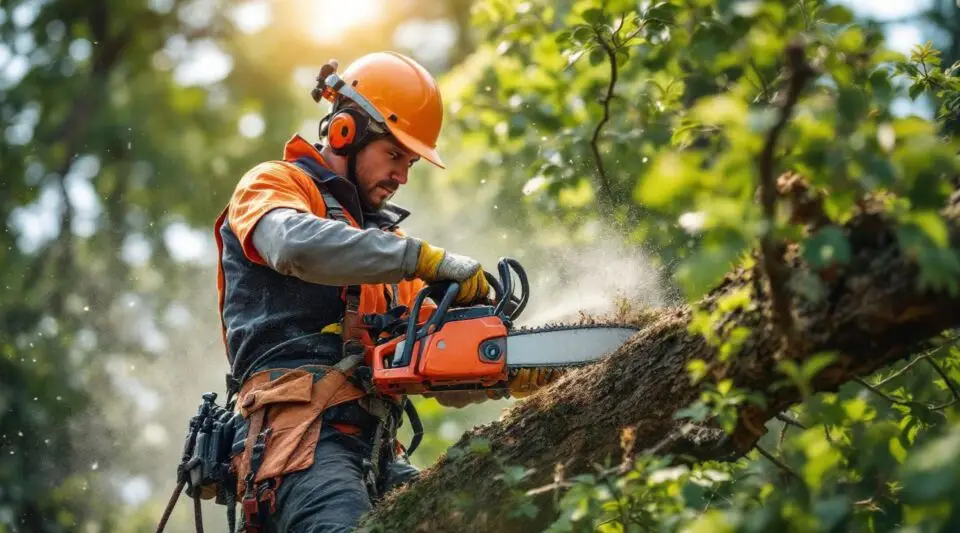
Baltimore's mature urban canopy features towering white oaks, heavy tulip poplars, and silver maples that crowd tight residential lots from Roland Park to Canton.
Learn more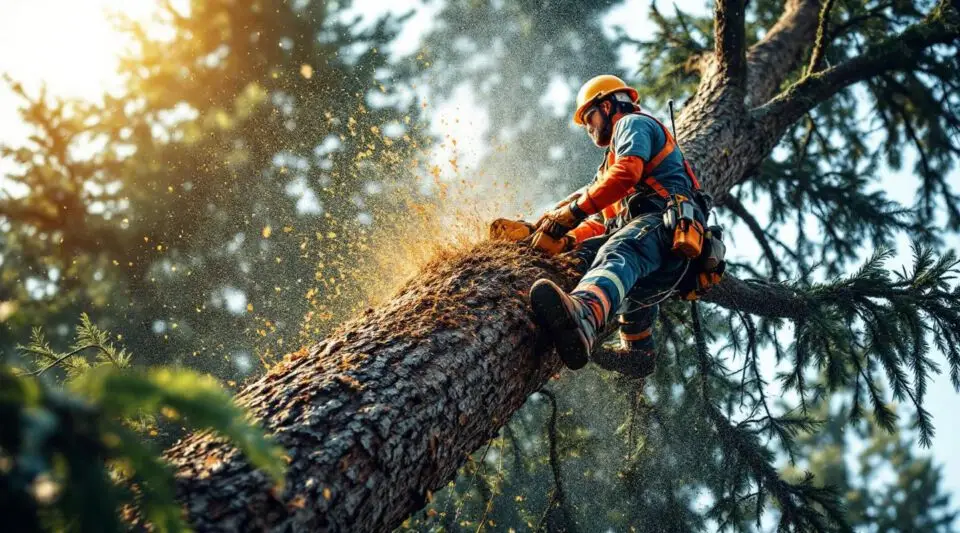
Mature trees bring character to Baltimore neighborhoods, shading streets from Federal Hill to Roland Park.
Learn more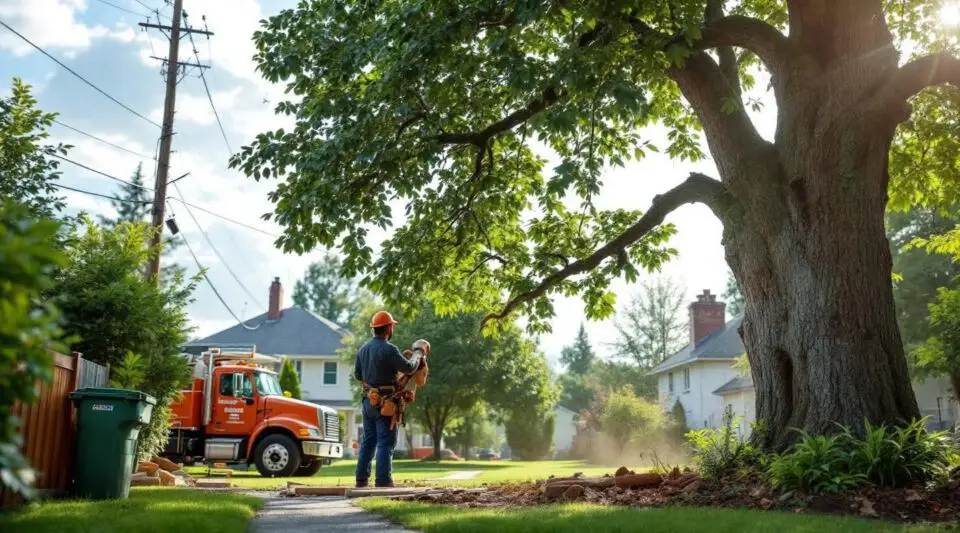
Baltimore's mature canopy—filled with towering white oaks, silver maples, and massive tulip poplars—adds incredible character to neighborhoods from Roland Park to Canton.
Learn more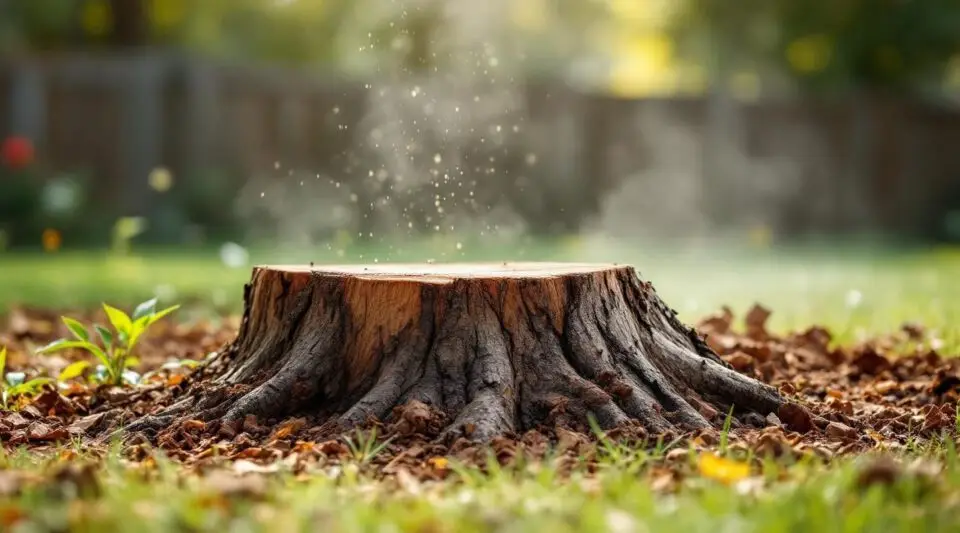
When a large tree comes down on your Baltimore property, the job is only half finished if the stump remains.
Learn more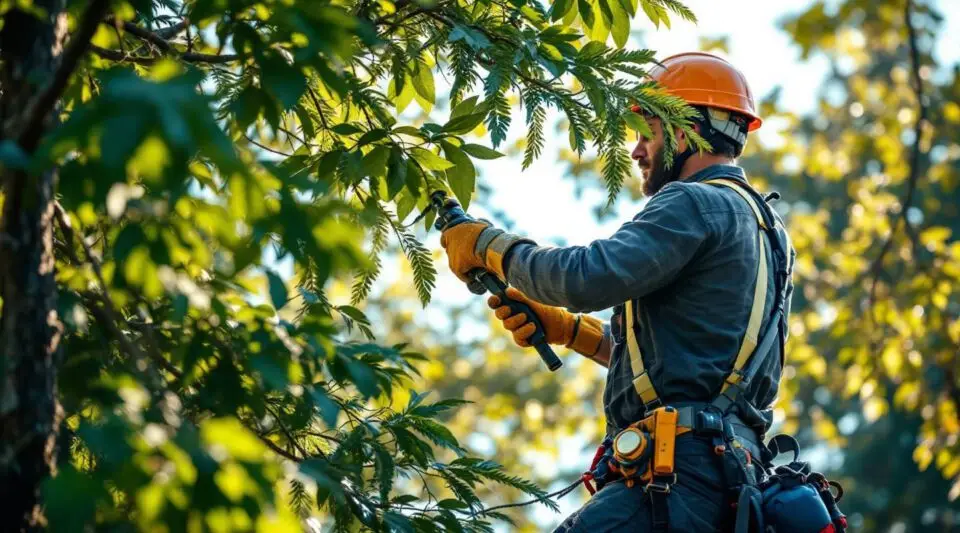
Mature trees define the landscape of Baltimore’s historic neighborhoods, from the towering oaks of Roland Park to the dense maples shading streets in Guilford.
Learn more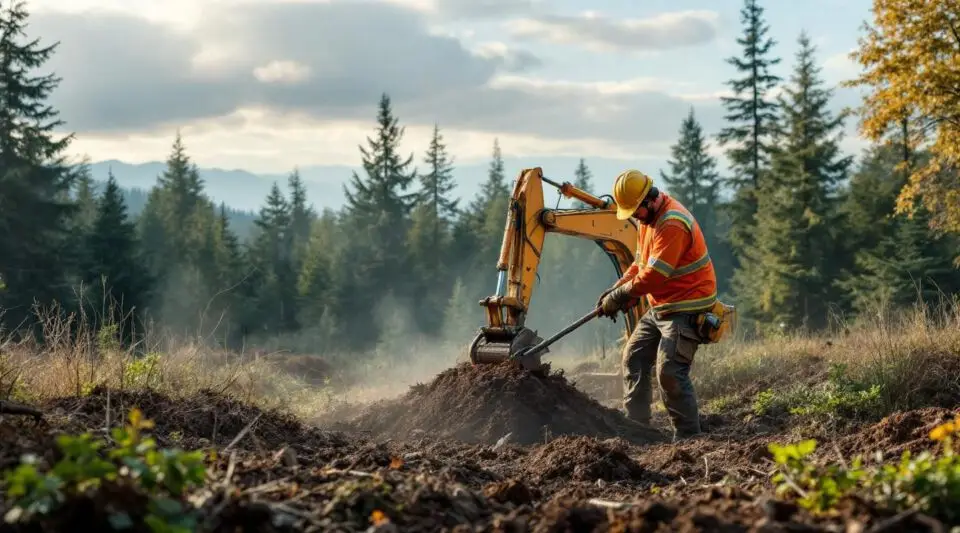
Overgrown acreage and dense undergrowth can quickly stall any residential development or backyard expansion project.
Learn more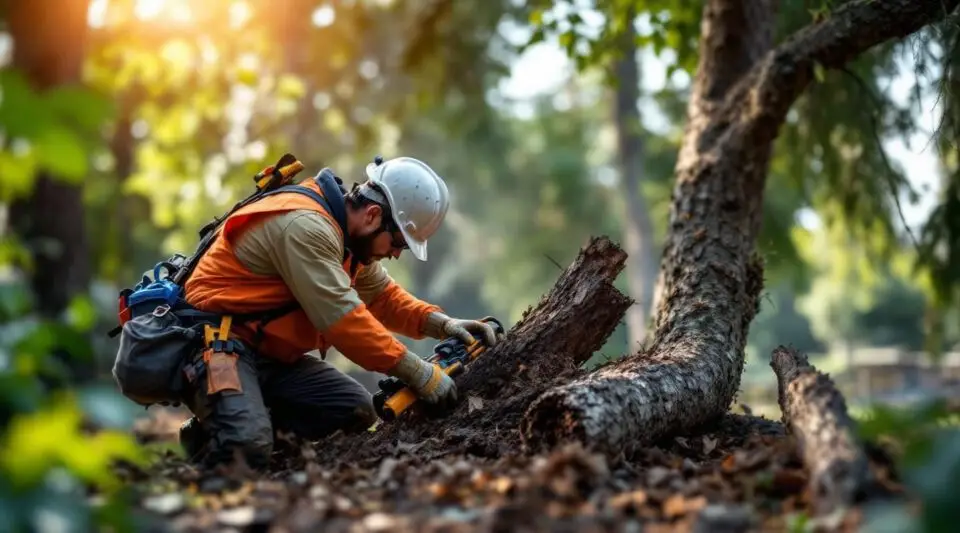
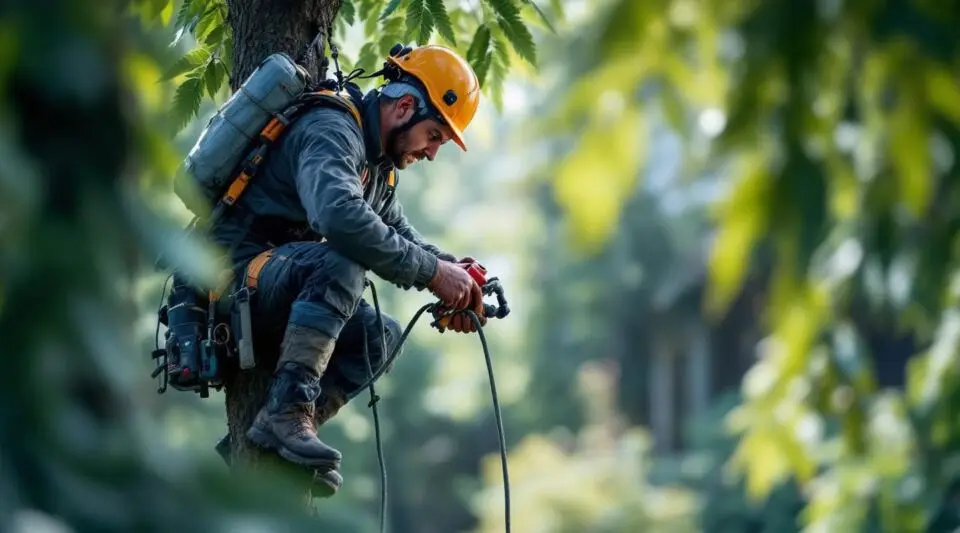
When you look up at the massive oaks and tulip poplars shading your Baltimore property, you are looking at a complex living system.
Learn more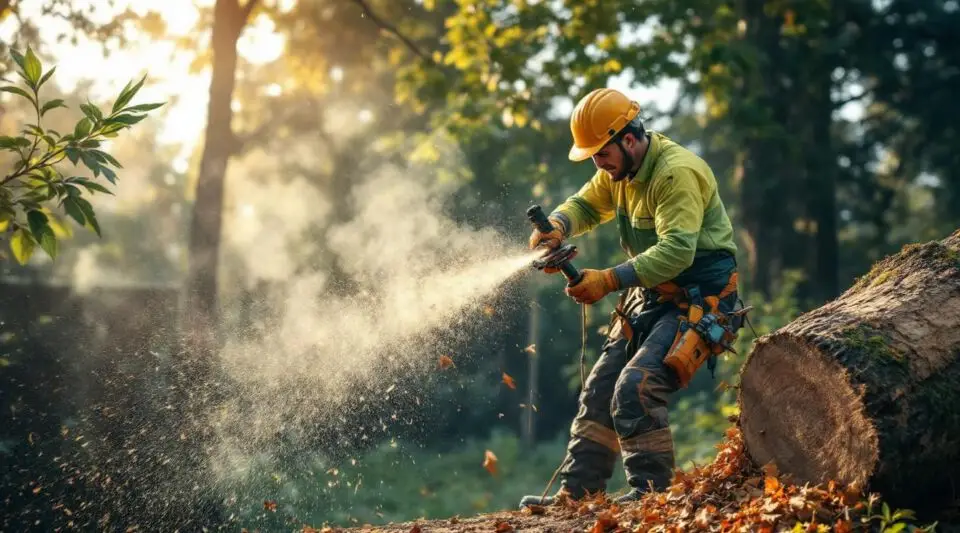
When you have a massive white oak or tulip poplar towering over your Baltimore home, letting it grow unchecked or attempting to drop it yourself is a recipe for disaster.
Learn more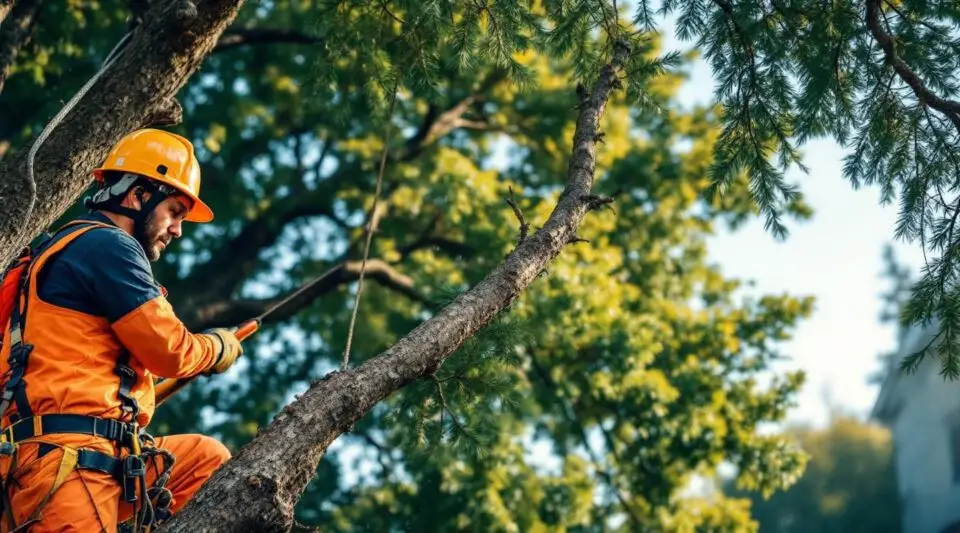
Removing a massive oak or decaying maple from a tight Baltimore lot is not a job for a pickup truck and a basic chainsaw.
Learn more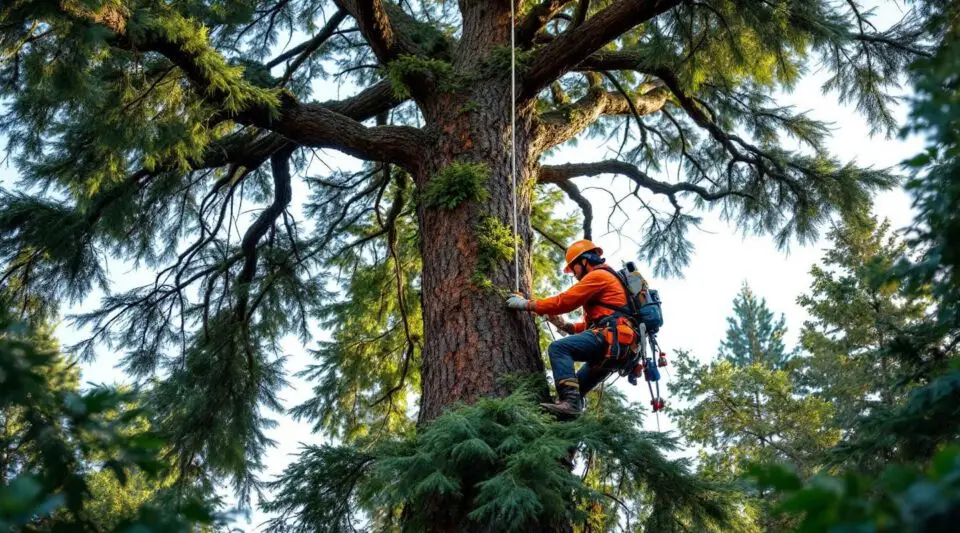
Living in Baltimore means enjoying a beautiful canopy of mature white oaks, tulip poplars, and silver maples.
Learn more
In Baltimore, our mature urban canopy of oaks, maples, and tulip poplars defines the character of our neighborhoods.
Learn moreA sudden summer thunderstorm or a heavy winter ice storm can turn a mature silver maple or oak with co-dominant stems into an active hazard.
Learn moreLeaving a tree stump behind after a removal is like leaving a construction project half-finished.
Learn moreOvergrown land can quickly halt your building plans or drag down your property value.
Learn moreWhen a mature Douglas fir or western red cedar on your property starts showing signs of distress, guessing at the solution is never a safe option.
Learn moreLiving in the Baltimore area means enjoying a beautiful canopy of mature white oaks, tulip poplars, and silver maples.
Learn moreBaltimore's mature urban canopy features towering white oaks, heavy tulip poplars, and silver maples that crowd tight residential lots from Roland Park to Canton.
Learn moreMature trees bring character to Baltimore neighborhoods, shading streets from Federal Hill to Roland Park.
Learn moreBaltimore's mature canopy—filled with towering white oaks, silver maples, and massive tulip poplars—adds incredible character to neighborhoods from Roland Park to Canton.
Learn moreWhen a large tree comes down on your Baltimore property, the job is only half finished if the stump remains.
Learn moreMature trees define the landscape of Baltimore’s historic neighborhoods, from the towering oaks of Roland Park to the dense maples shading streets in Guilford.
Learn moreOvergrown acreage and dense undergrowth can quickly stall any residential development or backyard expansion project.
Learn moreA standing dead tree on your Baltimore property is a ticking clock.
Learn moreWhen you look up at the massive oaks and tulip poplars shading your Baltimore property, you are looking at a complex living system.
Learn moreWhen you have a massive white oak or tulip poplar towering over your Baltimore home, letting it grow unchecked or attempting to drop it yourself is a recipe for disaster.
Learn moreRemoving a massive oak or decaying maple from a tight Baltimore lot is not a job for a pickup truck and a basic chainsaw.
Learn moreLiving in Baltimore means enjoying a beautiful canopy of mature white oaks, tulip poplars, and silver maples.
Learn moreIn Baltimore, our mature urban canopy of oaks, maples, and tulip poplars defines the character of our neighborhoods.
Learn moreI had a big old tree in my backyard that was more of a danger than anything recently. It was leaning dangerously close to the home after a storm so I called this tree service. Right from the beginning they were really responsive and easy to work with. They were there to check out the situation and described the tree removal process in a way that made sense and without trying to upsell unneeded services. The crew arrived on time on the day of the project and were very efficient. Most of all I liked that they were careful with my property and did not destroy the plants and structures near the tree when they removed it. They did the tree stump removal and left the yard clean and ready to use again. Also very helpful in advising me on future maintenance like tree cutting and pruning to avoid problems like this again. Service was smooth and professional and would be happy to use them again if I had need.
Dayna Griffin